Bearded Dragon Stress Marks: What They Mean and What to Do
Stress marks are dark ovals, lines or stripes that appear on a bearded dragon’s belly and sometimes on the chin and throat. They show that the dragon is stressed, cold or unwell, but they also appear in normal situations, such as in a new home, during shedding, at night or in brumation. Marks that come and go are harmless in most cases. Marks that stay for days, or come with a poor appetite, weight loss or lethargy, need a check of the enclosure and often a vet visit.
Table of Contents
- What Stress Marks Are
- Common Causes
- How to Tell Stress Marks From Other Markings
- Enclosure Problems to Check
- How to Reduce Stress
🦎 Want all the essentials on one printable page?
The Complete Bearded Dragon Care Plan puts daily routines, feeding charts, safe vs. toxic foods and vet red flags into one 16-page PDF for $7.99.
See the Care Plan →Key Takeaways
| Point | Details |
|---|---|
| What they look like | Dark ovals or lines on the belly, sometimes on the chin and throat. |
| Often normal | New home, shedding, sleep, brumation, cool mornings. |
| Worth checking | Marks that last for days, or come with poor appetite, weight loss or lethargy. |
| First steps | Check temperatures, UVB, enclosure size, reflections, other pets and handling. |
What Stress Marks Are
Bearded dragons change color with temperature, mood and health. Stress marks are one of these changes: dark oval spots or stripes that run along the belly, and sometimes dark lines on the chin and throat. They can appear within minutes and fade again once the cause is gone.
Stress marks are different from a black beard. A dark beard is a display of mood, for example in territorial or mating behavior or when a dragon feels threatened. Stress marks are more of a background signal. Both can show up at the same time.
Young dragons show stress marks more often than adults, and some individuals show them more than others.
Common Causes
| Cause | What to check |
|---|---|
| New home or a move | Give one to two weeks of quiet with little handling |
| Temperature too low | Basking surface 95 to 105°F (35 to 41°C) for adults, 105 to 110°F (40 to 43°C) for babies, cool side 75 to 85°F (24 to 29°C) |
| Weak or old UVB | Linear T5 tube, replaced every 12 months |
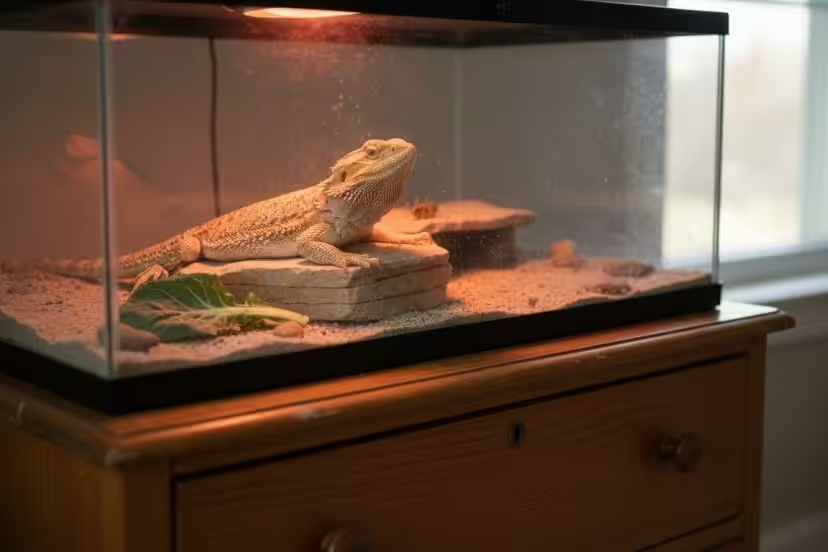
| Small enclosure | At least 120 x 60 x 60 cm (4 x 2 x 2 feet) for an adult |
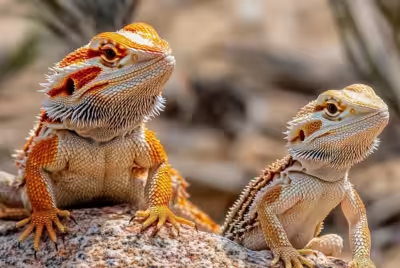
| Another dragon or pet in view | Keep each dragon alone and block the view of cats, dogs and other reptiles |
| Reflections in the glass | Add a background or cover the lower glass |
| Rough or too much handling | Short, calm sessions with full body support |
| Shedding | Normal, fades after the shed |
| Brumation or sleep | Normal in many dragons |
| Illness, parasites, impaction | Watch appetite, droppings and weight |
Our guides on safe handling and on why bearded dragons hide cover related behavior.
How to Tell Stress Marks From Other Markings
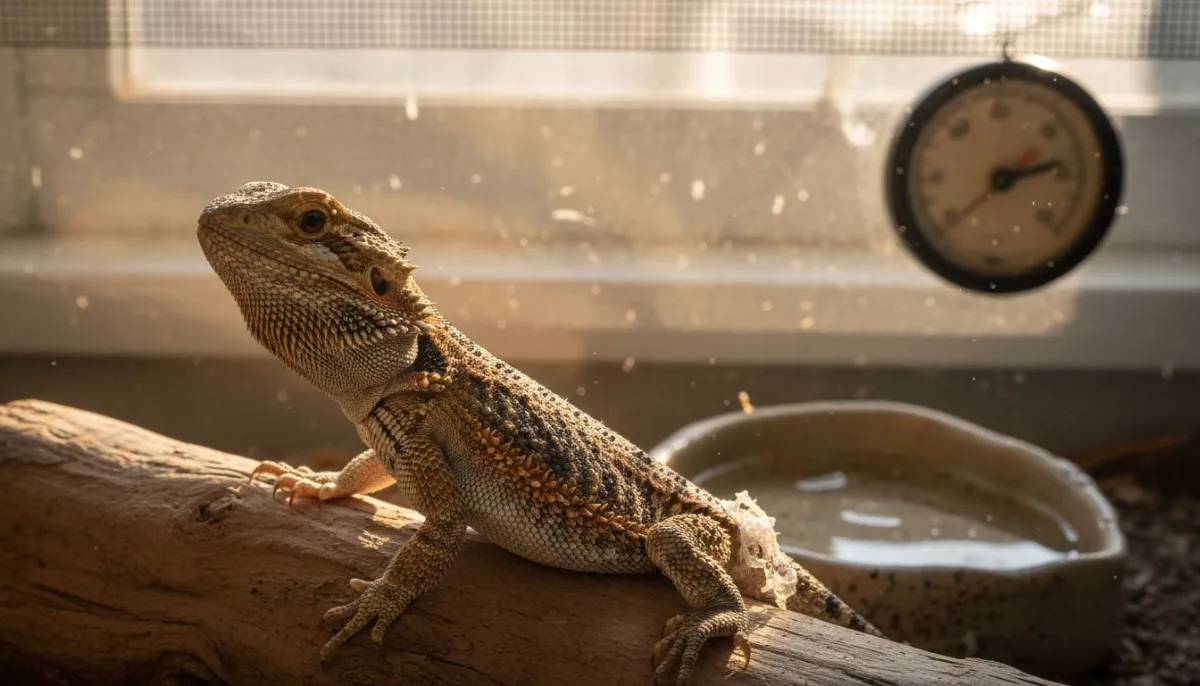
- Stress marks: dark ovals or stripes on the belly that come and go.
- Normal pattern: markings on the back and sides that stay the same.
- Black beard: the whole throat turns dark, often with puffing.
- Shed: dull, grey, patchy skin before a shed.
- Bruises, burns or infection: marks that do not fade, swell, ooze or change texture. These need a vet.
Look at the context too. Other signs of stress include glass surfing, constant hiding, a poor appetite, hissing and a dark beard. A short log of when marks appear, together with temperatures, meals and events, helps you find the trigger.
Enclosure Problems to Check
Most lasting stress comes from the setup. For background, see this veterinary article on husbandry and this research on reptile handling. Check:
- basking and cool side temperatures with an infrared thermometer
- the age and position of the UVB tube
- enclosure size and the number of hides
- reflections, a busy room, loud noise or vibration
- other pets that can see the enclosure
- a second dragon in the same or a nearby enclosure
- a 12-hour light cycle followed by darkness
If the setup is right and marks still persist for days, or your dragon eats less, loses weight or seems weak, see a reptile vet. A fecal test for parasites is a good first step.
How to Reduce Stress
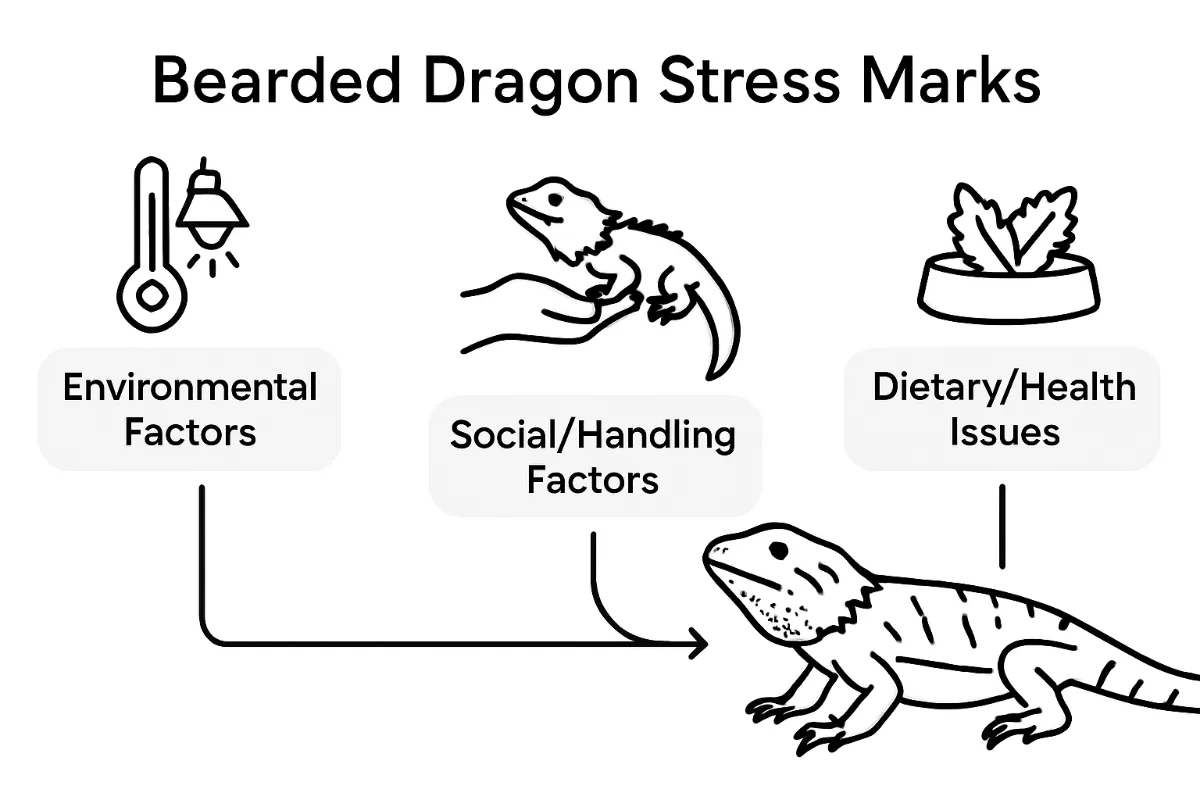
- Fix the temperatures, UVB and enclosure size first.
- Give at least two hides, one on the warm side and one on the cool side.
- Place the enclosure in a calm spot, not on the floor or next to a TV or speaker.
- Cover reflective glass and block the view of other pets.
- Keep each dragon in its own enclosure.
- Handle your dragon in short, calm sessions. Scoop it from below and support the whole body.
- Keep a steady routine for lights, feeding and cleaning.
- Give a new dragon one to two weeks to settle before regular handling.
Related Guides

Read our guides on basking, lethargy and signs of a healthy bearded dragon.
Frequently Asked Questions
What are bearded dragon stress marks?
Dark ovals or lines on the belly, and sometimes on the chin and throat, that show stress, cold or illness. They often fade once the cause is gone.
What causes stress marks in bearded dragons?
A new home, low temperatures, weak UVB, a small enclosure, other animals in view, reflections, rough handling, shedding, brumation and illness.
How can I tell stress marks from normal markings?
Stress marks sit on the belly and come and go. Normal pattern stays the same. Marks that swell, ooze or do not fade need a vet.
How can I reduce stress in my bearded dragon?
Get temperatures, UVB and enclosure size right, add hides, block reflections and other pets, keep each dragon alone and handle it in short, calm sessions.
Recommended

Love your beardie? Wear it proudly.
Bearded Dragon Spirit Animal Tote Bag – from $18.48. Our own bearded dragon designs, printed on demand. Every order supports these free care guides.
View this design → Browse all gifts