Bearded Dragon Active vs. Lazy Behavior Explained

Most households with bearded dragons notice a wide range of personality quirks, but understanding what counts as active or lazy behavior is not always straightforward. Research reveals that these reptiles rely on complex cues, not just simple energy bursts, to communicate their needs. Owners often mistake normal rest for a health problem. By learning how to read these subtle behaviors, you can better support your bearded dragon’s health and happiness.
Table of Contents
- Defining Active and Lazy Bearded Dragon Behavior
- Recognizing Normal Activity vs. Lethargy
- Common Causes of Laziness in Bearded Dragons
- When Lazy Behavior Signals Health Issues
- Enrichment and Care for Increasing Activity
Key Takeaways
| Point | Details |
| Understanding Bearded Dragon Behavior | Bearded dragons display varied behaviors influenced by temperature, age, and health; observing their body language helps determine their activity levels. |
| Distinguishing Normal from Concerning Lethargy | Healthy bearded dragons should engage with their environment; prolonged inactivity may indicate health issues requiring prompt attention. |
| Causes of Reduced Activity | Low activity can come from poor lighting or nutrition, and fixing these problems often brings energy back. |
| Encouraging Activity through Enrichment | Providing a stimulating habitat with diverse structures and regular interaction can promote healthy behaviors and prevent lethargy. |
Defining Active and Lazy Bearded Dragon Behavior
Understanding bearded dragon behavior isn’t just about observing their movements – it’s about recognizing the nuanced ways these scaly companions communicate their energy levels and overall well-being. According to research listed on PubMed, bearded dragons adjust their activity to control body temperature, so their energy changes through the day.
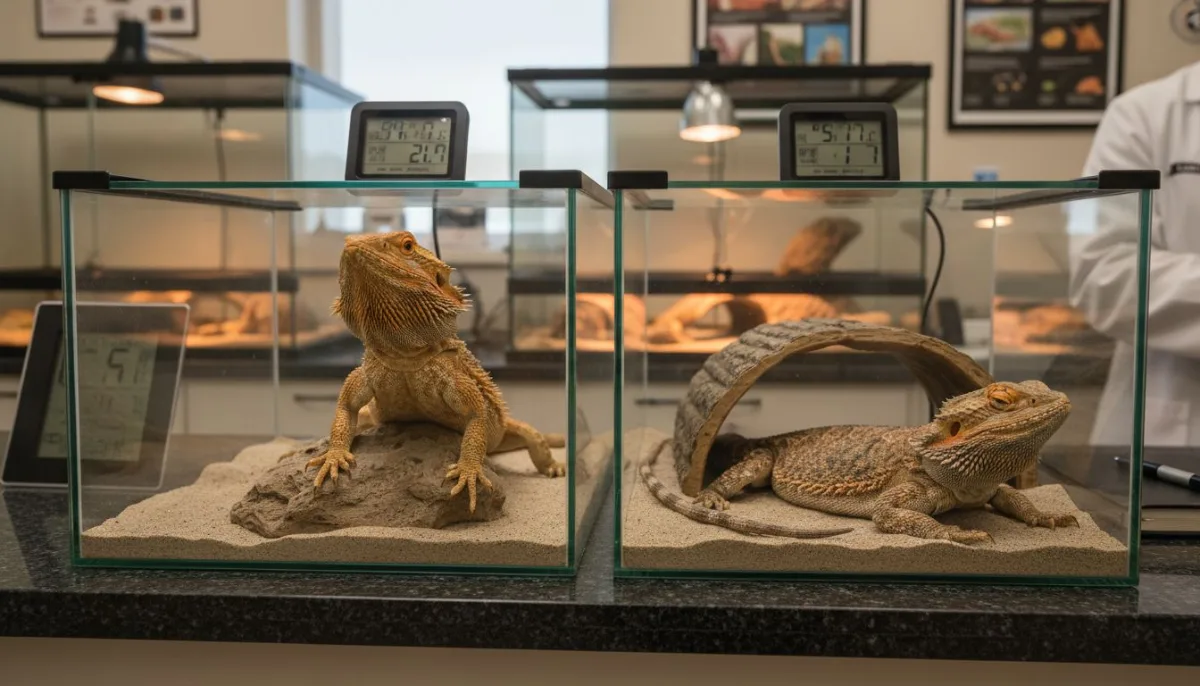
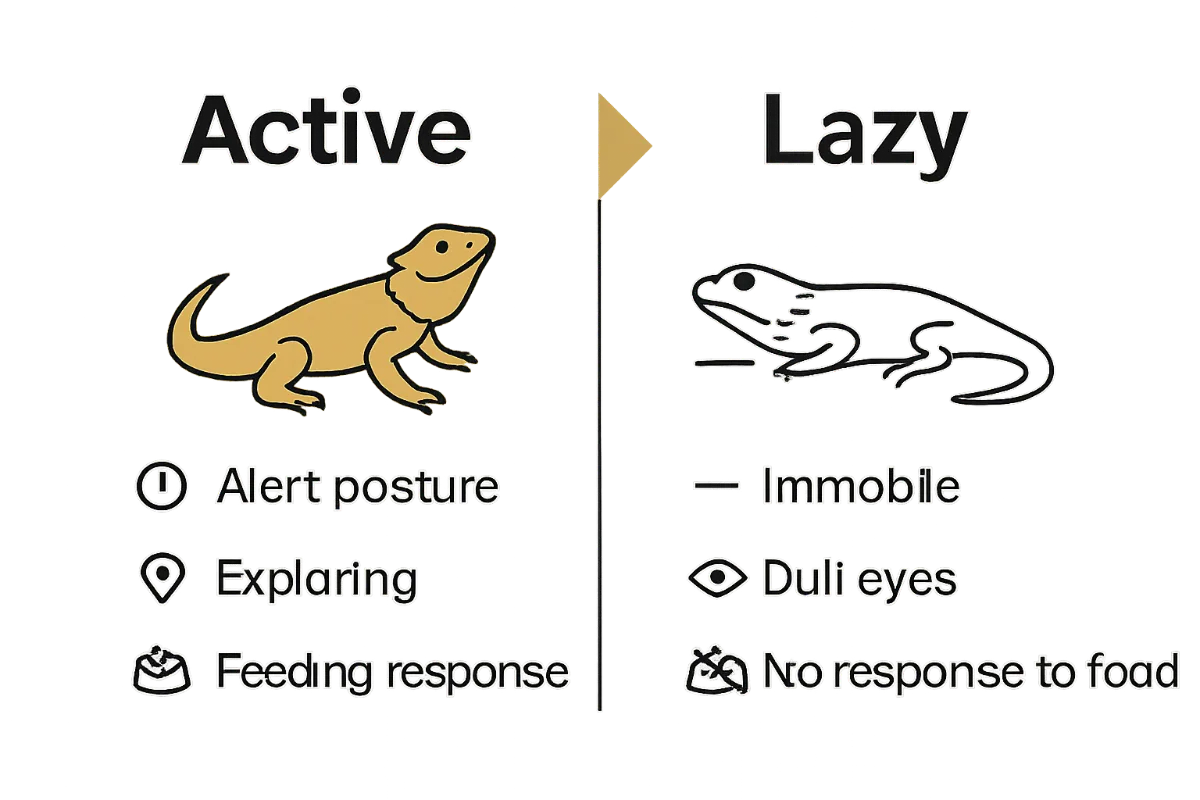
At the core of bearded dragon behavior are their temperature-driven activity patterns. They switch between active and resting states in response to their surroundings. Bearded dragon body language tells you whether your dragon is active or resting. An active bearded dragon explores its habitat, hunts food, holds an alert posture and responds fast to movement.
A “lazy” bearded dragon is not always unhealthy. It may be saving energy. Room temperature, time of day, age and health all affect their activity. Young bearded dragons tend to be more energetic and curious, while older dragons might spend more time basking and less time exploring. Watching for subtle cues such as changes in beard color, body posture, and interaction levels can help you distinguish between normal resting behavior and potential health concerns.
Key indicators of bearded dragon activity levels include:
- Rapid movement and exploration
- Quick response to environmental stimuli
- Extended periods of alert posturing
- Consistent hunting and feeding behaviors
Remember, every bearded dragon has a unique personality. Some are naturally more active, while others prefer a more relaxed lifestyle. Providing appropriate bearded dragon enrichment can help stimulate their natural behaviors and keep them engaged, regardless of their inherent activity level.
🦎 Want the key care facts on one printable page?
The Complete Bearded Dragon Care Plan puts daily routines, feeding charts, safe vs. toxic foods and vet red flags into one 16-page PDF for $7.99.
Recognizing Normal Activity vs. Lethargy
Distinguishing between regular activity and concerning lethargy in bearded dragons requires keen observation and understanding of their typical behavioral patterns. According to Allan Gles Creatures, a healthy bearded dragon maintains consistent engagement with its environment, displaying clear signs of alertness and responsiveness.
Normal activity in bearded dragons encompasses a range of behaviors that demonstrate vitality and well-being. These include regular exploration of their habitat, active hunting and feeding, quick responses to environmental stimuli, and periodic basking. As noted by NSWFMPA, an alert bearded dragon will have clear eyes and demonstrate responsive behavior. Healthy dragons often show curiosity, moving around their enclosure, interacting with objects, and showing interest in potential food sources.
Lethargy, in contrast, represents a significant deviation from typical behavior. Signs of concerning lethargy include:
- Prolonged periods of immobility
- Lack of response to environmental stimuli
- Reduced or absent appetite
- Dull or sunken eyes
- Unusual sleeping patterns
- Minimal movement even during typically active hours
Occasional rest is normal, but ongoing inactivity can signal a health problem. Factors like temperature, diet, age, and overall health can influence a bearded dragon’s energy levels. If you notice prolonged lethargy, especially when combined with other symptoms like weight loss or changes in bearded dragon body language, consulting a veterinarian specializing in reptile care is recommended.
 Watch your dragon’s daily behavior and keep its environment stable and interesting.
Common Causes of Laziness in Bearded Dragons
Find the cause of reduced activity to keep your dragon healthy. According to NSWFMPA, these reptilian companions can experience significant drops in energy levels due to environmental and physiological factors such as insufficient sunlight exposure, inadequate nutrition, and spatial constraints.
Temperature drives bearded dragon activity. These cold-blooded creatures rely heavily on external heat sources to regulate their metabolism and energy. When their habitat lacks proper temperature gradients or appropriate basking spots, they may become lethargic as a survival mechanism. Insufficient UVB lighting can also dramatically reduce their motivation to move, as these rays are critical for vitamin D synthesis and overall metabolic function. Owners might notice their scaly friend spending more time in darker, cooler areas instead of exploring their enclosure.
Diet affects a bearded dragon’s energy as well. Lethargy often stems from diet-related issues such as:
- Improper calcium to phosphorus ratios
- Low-quality or inappropriate food sources
- Insufficient protein or vitamin intake
- Overfeeding leading to obesity
- Potential loss of appetite due to stress or illness
Additional factors contributing to reduced activity include stress, age, and underlying health conditions. Young bearded dragons are typically more active, while older dragons naturally become less energetic. Potential medical issues, such as metabolic bone disease, parasitic infections, or respiratory problems, can also lead to prolonged periods of inactivity. Regular vet check-ups and a correct habitat keep your bearded dragon healthy and active.
When Lazy Behavior Signals Health Issues
Recognizing when lazy behavior transforms from normal resting to a potential health concern is critical for bearded dragon owners. According to Allan Gles Creatures, persistent lethargy accompanied by unusual behaviors can indicate serious underlying health problems that require immediate veterinary attention.
Several red flag symptoms suggest that your bearded dragon’s laziness might be more than just a temporary energy dip. As noted by NSWFMPA, key warning signs include dull or sunken eyes, complete unresponsiveness, and prolonged periods of inactivity. These symptoms could signal potentially serious conditions such as:
- Metabolic bone disease
- Parasitic infections
- Respiratory disorders
- Digestive system complications
- Potential lethargy related to nutritional deficiencies
Additional warning signs that warrant immediate professional evaluation include dramatic loss of appetite, significant weight changes, abnormal droppings, and unusual skin discoloration. Short quiet periods are normal, but a change in behavior that lasts more than 24-48 hours calls for a full health check. Remember that bearded dragons are masters at hiding illness, so subtle changes in their typical lazy or active patterns could be your earliest indication that something isn’t quite right with your scaly companion.
Enrichment and Care for Increasing Activity
Stimulating bearded dragon activity requires a multifaceted approach that goes beyond simple habitat maintenance. According to NSWFMPA, a varied diet, correct conditions and regular interaction encourage natural behavior and activity.
Habitat design affects activity too. Creating a dynamic environment with multiple basking spots, climbing structures, and temperature gradients gives your bearded dragon opportunities to explore and regulate their body temperature. Incorporate rocks, branches, and safe hiding spaces that mimic their natural desert habitat. Enrichment items like puzzle feeders, movable objects and varied terrain turn a static enclosure into a space that keeps your dragon moving.
Nutritional and interactive strategies to boost activity include:
- Offering live insects that encourage hunting behaviors
- Rotating food placement to promote exploration
- Implementing supervised out-of-tank exploration time
- Using gentle handling to build trust and comfort
- Introducing novel objects for investigation
Regular interaction is key to maintaining your bearded dragon’s physical and mental well-being. Gentle handling, supervised exploration, and creating a consistent routine can help prevent lethargy and keep your scaly friend active and engaged. Each dragon has its own personality, so watch yours to learn what gets it moving.
Help Your Bearded Dragon Stay Active
Experiencing confusing changes between active and lazy behavior in your bearded dragon can leave you concerned and unsure. Your dragon’s energy levels reveal so much about their health, comfort, and happiness. Our guides help you understand the causes of lethargy, spot early warning signs and encourage natural activity. Learning about key concepts such as thermoregulation, behavioral cues, and enrichment can transform your pet care experience.

Find more care guides at Go Bearded Dragon. From clear guides on spotting lethargy to creative ideas for bearded dragon enrichment, you will find everything needed to keep your scaly companion healthy and lively. Don’t wait for worrying symptoms to appear.
Frequently Asked Questions
What are the signs of an active bearded dragon?
An active bearded dragon will exhibit behaviors such as rapid movement, exploring its habitat, hunting for food, displaying alert body postures, and responding quickly to environmental stimuli.
How can I tell if my bearded dragon is lethargic?
Signs of lethargy in bearded dragons include prolonged immobility, lack of response to stimuli, reduced or absent appetite, dull or sunken eyes, and minimal movement during typically active hours.
What factors can cause laziness in bearded dragons?
Laziness in bearded dragons can be caused by several factors, including inadequate temperature, insufficient UVB lighting, poor nutrition, stress, age, and underlying health conditions.
When should I be concerned about my bearded dragon’s activity levels?
Suppose your bearded dragon exhibits persistent lethargy lasting more than 24-48 hours, along with other symptoms like loss of appetite, weight changes, or unusual droppings. In that case, see a reptile vet.

Love your beardie? Wear it proudly.
Dragon Whisperer T-Shirt – from $15.83. Our own bearded dragon designs, printed on demand. Every order supports these free care guides.
View this design → Browse all gifts