Why Do Bearded Dragons Hide: Complete Guide

Most American pet owners are surprised to learn that over 80 percent of bearded dragons display hiding behaviors at some point in their lives. What looks like a simple game of hide and seek often reveals bigger clues about their health and happiness. Knowing how to interpret this behavior helps you respond with confidence, ensuring your scaly friend feels safe and understood in their home.
Table of Contents
- What “Hiding” Means
- Health Issues Triggering Hiding
- Stress And Behavioral Causes
- Environmental And Habitat Reasons
- Brumation Vs Illness Hiding
- How To Respond And Provide Comfort
🦎 Want all the essentials on one printable page?
The Complete Bearded Dragon Care Plan puts daily routines, feeding charts, safe vs. toxic foods and vet red flags into one 16-page PDF for $7.99.
See the Care Plan →Key Takeaways
| Point | Details |
|---|---|
| Understanding Hiding | Hiding in bearded dragons signifies various emotional and physical states, such as stress or the need for safety. Recognizing these signals helps improve owner-reptile relationships. |
| Health Concerns | Constant hiding is often linked to serious health issues that require veterinary attention, including digestive problems and respiratory infections. Watch for other symptoms as well. |
| Environmental Factors | Inadequate habitat conditions, like improper temperature and a lack of hiding spots, can lead to frequent hiding. Optimizing their environment promotes comfort and reduces stress. |
| Brumation vs Illness | Distinguishing between natural brumation and illness is critical; brumation is seasonal and non-threatening, while illness presents concerning symptoms requiring intervention. |
What “hiding” means
Bearded dragons look tough, but they react to stress, cold and illness. Hiding for these reptiles isn’t just about finding a cozy spot – it’s a complex communication strategy that tells us volumes about their physical and emotional state.
When your bearded dragon decides to play hide and seek, they’re not just being dramatic. Hiding can signal stress, illness, temperature regulation or a need to feel safe. Think of it like a reptilian “do not disturb” sign. Some common hiding scenarios include seeking shelter when they feel threatened, managing their body temperature, or responding to environmental changes that make them uncomfortable.
Understanding the nuanced reasons behind hiding requires paying close attention to your scaly friend’s overall behavior and environment. Is the hiding accompanied by other symptoms? Are there recent changes in their habitat? Their hiding tells you about their emotional and physical needs. By learning to read these signals, you’ll become a more empathetic and skilled bearded dragon companion.
Key indicators that hiding might mean something more serious include:
- Prolonged hiding lasting more than 24-48 hours
- Hiding combined with a lack of appetite
- Unusual lethargy or reduced movement
- Changes in skin color or texture
- Visible signs of stress or discomfort
Remember: your bearded dragon isn’t trying to frustrate you.
Health issues triggering hiding
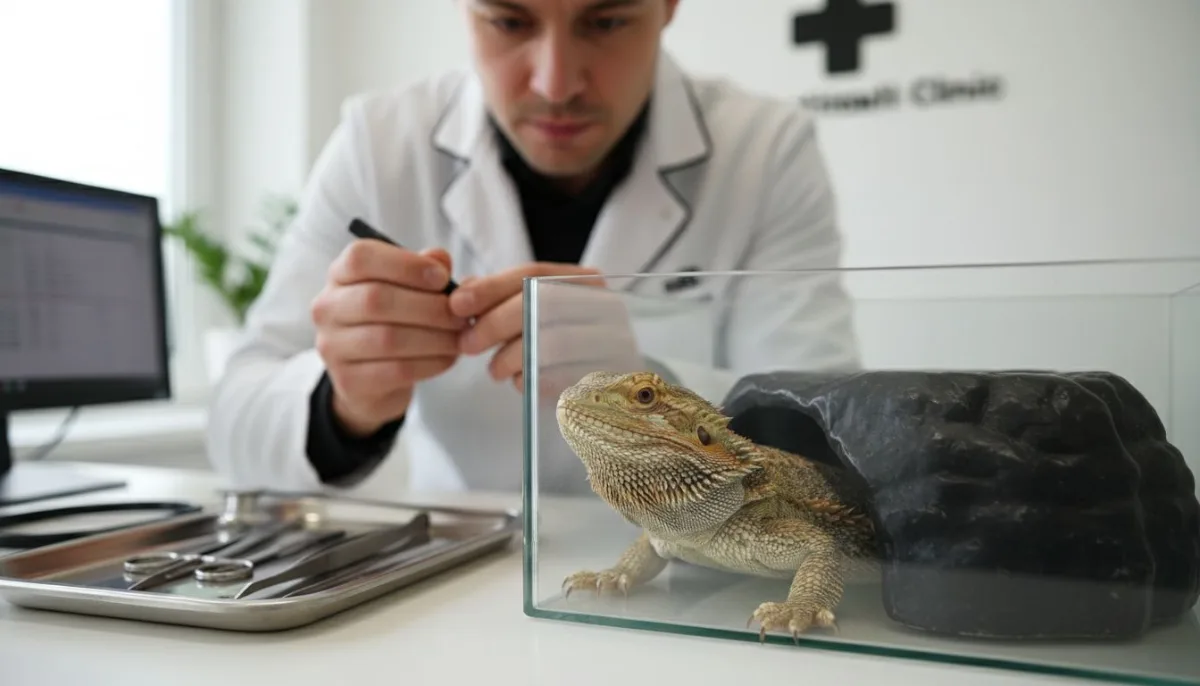
Bearded dragons are masters at concealing their vulnerabilities, which means when they start hiding more than usual, it could be a red flag for underlying health problems. Smartly Pet points out that constant hiding can often indicate serious health issues that require immediate attention.
Some critical health conditions that might trigger excessive hiding include digestive problems like impaction, where your bearded dragon struggles to pass waste, causing significant discomfort. This can lead to decreased movement and increased time spent in secluded spots. Other potential health triggers for hiding include respiratory infections, which can make breathing difficult and cause your scaly friend to seek quiet, low-energy environments to conserve strength.
Parasites can also change your bearded dragon’s behavior. Internal parasites can cause weakness, reduced appetite, and a general feeling of being unwell, compelling your reptile to retreat and minimize energy expenditure. Metabolic bone disease, another serious condition, can also cause lethargy and pain, further encouraging your bearded dragon to hide and avoid movement.
Warning signs that hiding might indicate a serious health issue include:
- Prolonged periods of inactivity
- Significant weight loss
- Changes in stool consistency or color
- Visible lethargy or weakness
- Unusual skin discoloration or texture
- Respiratory difficulties or strange breathing sounds
If your dragon keeps hiding and shows these symptoms, take it to a reptile vet.
Stress and behavioral causes
Bearded dragons look tough, but they react to small changes in their surroundings. Smartly Pet reveals that loud noises can send these scaly companions into hiding mode faster than you can say “reptile retreat.”
Environmental stressors play a massive role in your bearded dragon’s hiding behavior. New pets, frequent movement around their habitat, sudden temperature changes, or even rearranging furniture can trigger significant anxiety. They judge everything around them as either a threat or safe. Some bearded dragons are more sensitive than others, with individual personalities that determine how quickly they’ll seek shelter when feeling overwhelmed.
Social dynamics can also dramatically impact hiding behaviors. Dominant bearded dragons might force more submissive ones into hiding, creating a complex social hierarchy within their living space. Changes in the household – like new family members, different feeding schedules, or increased human traffic – can create ongoing stress that manifests as frequent hiding. These behavioral responses are survival mechanisms developed over millions of years of evolutionary adaptation.
Common stress triggers that might cause excessive hiding include:
- Sudden loud sounds or vibrations
- Frequent habitat disruptions
- Presence of predatory pets
- Inconsistent handling techniques
- Overcrowded living environments
- Lack of proper hiding spots or safe zones
Understanding your bearded dragon’s unique personality and creating a calm, predictable environment is key to reducing stress-induced hiding behaviors.
Environmental and habitat reasons
Bearded dragons move between warm and cool spots all day to control their body temperature. Oddly Cute Pets highlights that improper temperature gradients can drive these reptilian friends into serious hide-and-seek mode, as they desperately search for cooler zones to regulate their body temperature.
The habitat setup decides how comfortable your dragon feels. Inadequate lighting, incorrect humidity, lack of proper hiding spots, or an enclosure that’s too small can transform their home from a sanctuary into a stress zone. If your dragon cannot find the right temperature or a safe resting spot, it hides more. Some dragons will hide near the coolest part of their enclosure or beneath the substrate to escape uncomfortable environmental conditions.
Substrate depth and texture also play significant roles in hiding behaviors. Different substrate types offer varying levels of comfort and security. Some bearded dragons prefer loose substrates that allow them to burrow, while others might appreciate rock formations or artificial caves that provide a sense of protection. The quality of these hiding spots isn’t just about physical comfort – it’s about creating a psychological safe space where your scaly companion can feel secure and in control of their environment.
Critical environmental factors that might trigger hiding include:
- Incorrect basking temperature
- Lack of temperature gradient
- Insufficient UVB lighting
- Poor humidity levels
- Unsuitable substrate
- Minimal hiding spots
- Overcrowded or undersized enclosure
Creating a habitat that mimics their natural desert environment – with proper temperature zones, appropriate lighting, and strategic hiding spots – is key to preventing stress-induced hiding behaviors.
Brumation vs illness hiding
Bearded dragons are complex creatures with unique survival mechanisms that can leave even experienced owners scratching their heads. Brumation and illness-related hiding might look similar on the surface, but they’re fundamentally different processes that require distinct approaches.
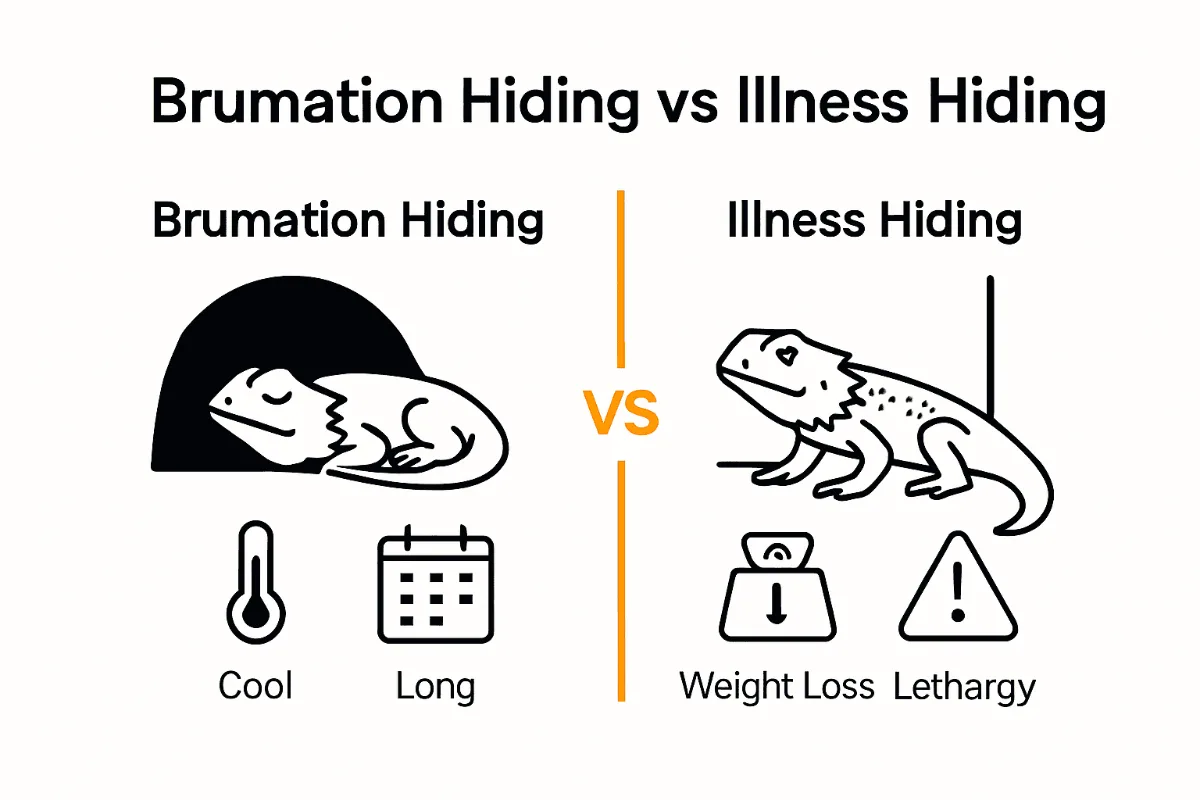
Brumation is a natural, hibernation-like state in which bearded dragons cut back activity, metabolism and food intake during cooler seasons. During this period, your scaly friend might spend weeks or even months in a near-dormant state, tucked away in a dark, cool spot. Unlike illness-related hiding, brumation is a cyclical, predictable behavior typically occurring during winter months. Your dragon looks healthy but sleeps most of the time. They’ll still respond to gentle stimulation, maintain muscle tone, and show occasional movement, which distinguishes brumation from a serious health issue.
In contrast, illness-related hiding is characterized by more concerning symptoms. A sick bearded dragon will often display additional red flags: dramatic weight loss, unusual lethargy, changes in stool consistency, visible discomfort, or complete unresponsiveness. While a brumating dragon maintains a baseline of health, an ill dragon will show progressive deterioration. The key difference lies in the dragon’s overall physical condition and responsiveness – brumation is a controlled, natural process, while illness represents a breakdown of normal physiological functions.
Key differences between brumation and illness hiding:
- Brumation is seasonal; illness can occur anytime
- Brumating dragons maintain muscle tone
- Illness causes progressive health deterioration
- Brumation involves predictable, cyclical behavior
- Sick dragons show additional symptoms beyond hiding
- Brumating dragons occasionally move and respond
When in doubt, always consult a veterinarian specializing in reptile care to distinguish between these two very different states.
How to respond and provide comfort
Bearded dragons are sensitive souls that need a delicate touch when they’re feeling vulnerable and hiding. Petco emphasizes the critical importance of maintaining appropriate habitat conditions during these challenging periods, which can make all the difference in your scaly friend’s recovery and comfort.
The first step in providing comfort is understanding the underlying cause of hiding. Is it brumation, stress, illness, or environmental issues? Each scenario requires a slightly different approach. For brumation, minimal intervention is key – maintain consistent, gentle temperatures and reduce handling. If stress is the culprit, focus on creating a calm environment with minimal disruptions. Reduce loud noises, limit handling, and ensure they have multiple secure hiding spots that feel safe and temperature-appropriate.
If you suspect illness, write down changes in appetite, droppings and weight. Monitor your bearded dragon’s weight, hydration, and overall behavior without causing additional stress. Provide a quiet, warm space with easy access to water and minimal disturbances. Gentle, infrequent check-ins can help you track their condition without overwhelming them. Keep temperatures in the correct range and follow your vet’s advice while your dragon recovers.
Key comfort strategies for hiding bearded dragons:
- Maintain consistent habitat temperatures
- Minimize handling and loud noises
- Provide multiple secure hiding spots
- Keep fresh water accessible
- Monitor weight and hydration
- Create a calm, predictable environment
- Use gentle, indirect observation techniques
Remember: patience is your greatest tool. Hiding is a survival instinct.
Help Your Bearded Dragon Feel Secure
If your bearded dragon is spending too much time hiding and you want to understand the root causes like stress, illness, or environmental discomfort, you are not alone. Many owners face the challenge of interpreting these important reptilian signals. Knowing the health issues, habitat needs and natural behaviors such as brumation helps you make better care decisions.

Get the answers and practical advice you need at Go Bearded Dragon, your trusted resource for detailed guides on health, habitat setup, and behavior management. Our guides on habitat, temperature and health can help your bearded dragon come out of hiding. Don’t wait to create a safer, calmer home for your scaly companion.
Frequently Asked Questions
Why do bearded dragons hide?
Hiding can mean stress, illness, temperature regulation or a need for safety. It’s their way of communicating their emotional and physical needs.
How can I tell if my bearded dragon’s hiding is due to a health issue?
Key indicators of a potential health issue include prolonged hiding for more than 24-48 hours, lack of appetite, unusual lethargy, changes in skin color or texture, and visible signs of discomfort or stress.
What environmental factors can cause bearded dragons to hide?
Improper temperature gradients, inadequate lighting, insufficient hiding spots, incorrect humidity levels, and an overcrowded or undersized enclosure can all trigger hiding behavior in bearded dragons.
How should I respond if my bearded dragon is hiding?
First, assess the possible cause of hiding. For stress, minimize disturbances and provide secure hiding spots. If you suspect illness, monitor their behavior, weight, and hydration closely while maintaining a comfortable environment for them.

Love your beardie? Wear it proudly.
Bearded Dragon Spirit Animal Tote Bag – from $18.48. Our own bearded dragon designs, printed on demand. Every order supports these free care guides.
View this design → Browse all gifts